Trézor Suite Beginner Guide – Learn Secure Hardware Wallet Management
Introduction
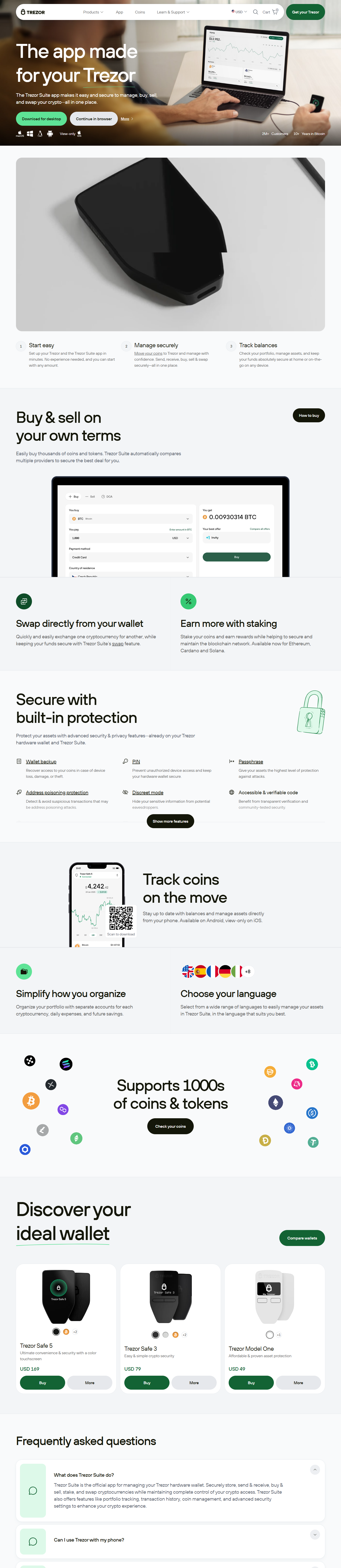
Trézor Suite is the official software platform created to work with Trezor® hardware wallets, giving users a secure and independent way to manage cryptocurrency. This beginner guide is designed to help new users understand how the application works, how to set it up correctly, and how to use it with confidence from day one.
As digital assets become more valuable, security and ownership are more important than convenience alone. Trézor Suite focuses on self-custody, meaning users remain fully responsible for their funds while benefiting from strong hardware-based protection.
What Makes Trézor Suite Different
Unlike online wallets or exchange accounts, Trézor Suite does not store private keys on servers, computers, or browsers. Instead, it acts as a trusted interface that allows users to communicate with blockchain networks while the hardware wallet handles all sensitive operations.
This separation between software and private keys greatly reduces the risk of hacking, phishing, and malware attacks.
How Trézor Suite Works
Trézor Suite prepares transactions, displays balances, and organizes accounts. However, it cannot move funds on its own. Every transaction must be approved physically on the connected hardware wallet.
This design ensures that even if the computer is infected or the browser is compromised, unauthorized transfers cannot be completed without access to the physical device.
Desktop Application and Web Access Explained
Users can access Trézor Suite in two ways.
The desktop application runs locally on Windows, macOS, or Linux systems. It is often recommended for users who want the highest level of consistency and reduced exposure to browser-based risks.
The web version allows access through a supported browser without installing software. While convenient, it follows the same strict security rules. Hardware confirmation is always required for sensitive actions.
Preparing Before You Begin
Before using Trézor Suite, users should prepare a secure environment. This includes using a trusted computer, keeping the operating system updated, and ensuring privacy during setup.
It is also important to have pen and paper ready to write down the recovery phrase during wallet initialization. Digital storage of recovery information is strongly discouraged.
First-Time Device Setup
When connecting a new Trezor® device, Trézor Suite guides users through the initialization process. This includes creating a PIN and generating a recovery phrase.
The PIN protects the device from unauthorized physical access, while the recovery phrase acts as the ultimate backup. Both are essential parts of wallet security.
Why the Recovery Phrase Matters
The recovery phrase is a unique set of words that can restore access to the wallet if the device is lost, damaged, or replaced. Anyone who has this phrase can control the funds.
Because of this, it should never be shared, photographed, emailed, or stored online. Keeping it offline in a secure location is one of the most important responsibilities of a wallet owner.
Creating and Organizing Accounts
After setup, users can create accounts within Trézor Suite. Each account corresponds to a separate blockchain address and can be labeled for clarity.
Multiple accounts allow users to organize assets by purpose, such as long-term savings, daily use, or business transactions. This structure helps maintain clear financial separation.
Receiving Cryptocurrency Safely
To receive cryptocurrency, users generate a receiving address from Trézor Suite. The address appears on both the computer screen and the hardware wallet.
Users should always confirm that both addresses match before sharing it. This simple step protects against malware that attempts to replace addresses during copying.
Sending Cryptocurrency with Confidence
Sending funds involves entering the recipient address and amount in the application. Before the transaction is sent to the network, the hardware wallet displays the details for review.
Only after manual confirmation on the device is the transaction approved. This ensures that users stay in control and that mistakes or unauthorized changes are caught early.
Understanding Network Fees
Every blockchain transaction includes a network fee. Trézor Suite allows users to select fee levels based on how quickly they want the transaction confirmed.
Beginners can rely on automatic fee suggestions, while advanced users can adjust fees manually to optimize cost or speed depending on network conditions.
Privacy and Control Options
Trézor Suite includes features that give users more control over privacy and transaction behavior. Options such as hiding balances, selecting specific coins for transactions, and customizing fees help users manage exposure.
These features are useful for individuals who value discretion and transparency in their financial activity.
Supported Assets and Portfolio Management
The application supports a wide range of cryptocurrencies and token standards, allowing users to manage diverse portfolios in one place.
Users can track balances, review transaction history, and monitor account activity without relying on third-party tracking tools.
Optional Buy and Exchange Tools
Some versions of Trézor Suite include optional integrations that allow users to purchase or exchange cryptocurrencies using external providers. These tools are designed to maintain self-custody.
All transactions still require approval on the hardware wallet, ensuring that users never give up control of their private keys.
Keeping the Software Updated
Regular updates are essential for security and performance. Trézor Suite updates may include new features, improved compatibility, and security enhancements.
Users should also keep their device firmware up to date to ensure continued protection against emerging threats.
Common Errors New Users Should Avoid
New users sometimes make mistakes such as storing recovery phrases digitally, skipping address verification, or rushing through setup steps. These mistakes can lead to avoidable risks.
Taking time to understand each step and following recommended practices helps prevent problems in the future.
Who This Guide Is For
This guide is intended for beginners who are new to hardware wallets as well as users transitioning from exchange-based solutions. It is also helpful for anyone who wants a clear understanding of self-custody principles.
Whether managing a small amount of cryptocurrency or a larger portfolio, Trézor Suite provides tools suitable for different experience levels.
Conclusion
Trézor Suite offers a secure and practical way to manage cryptocurrency using a hardware wallet. By combining strong physical protection with a clear and flexible software interface, it empowers users to take full ownership of their digital assets.